News
What Are the Differences in Mouse Pad Materials?
Understanding Fabric Mouse Pads
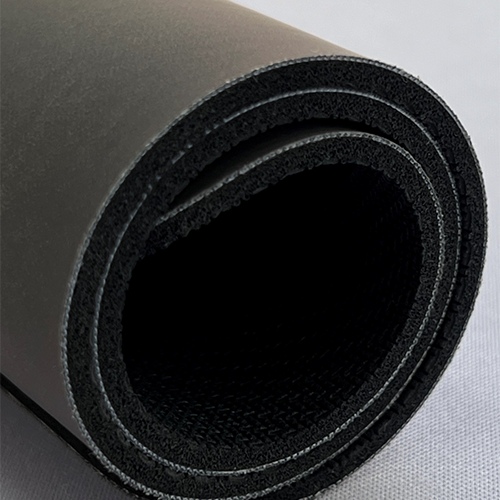
Material choice affects your daily user experience. Most manufacturers use Jacquard fabric for pads. This knitted material offers excellent safety and comfort. Furthermore, it provides waterproof and breathable properties. Fulida specializes in these high-performance rubber-based fabrics. Dense weaves create a very smooth feel. Conversely, coarse weaves offer a textured grip. Always match your pad with your mouse. This balance ensures a much better glide.
Exploring Coated Mouse Pads
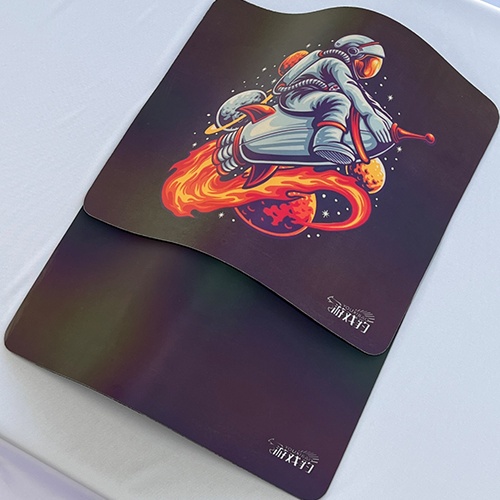
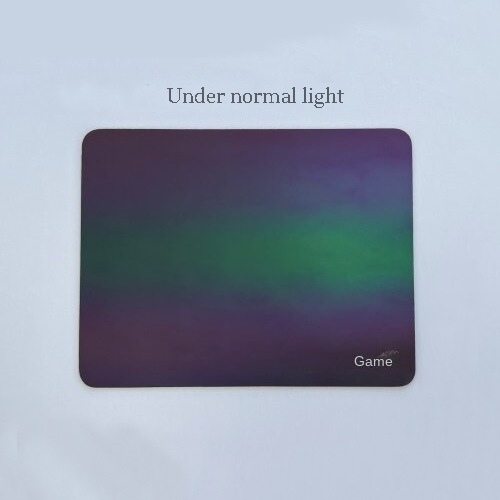
Coated pads are a specialized fabric subtype.Manufacturers add a top layer for smoothness. Consequently, these pads feel incredibly silky and fast. However, they often cost more than standard pads. They also wear down much faster over time. Additionally, you must never fold these pads. Folding usually damages the delicate surface coating. Interestingly, colored pads often feel smoother than others. Inks used in printing change the final texture.
Resin vs. Metal Mouse Pads
Hard surfaces offer a different tactile response. Resin pads provide a very fast glide. Some models even feature dual-sided surface options. Nevertheless, resin surfaces wear out quite quickly. They also cause significant wear on mouse's feet. Alternatively, metal pads offer much better durability. They feel very cool during the summer months. Yet, they can feel cold in the winter. Metal pads sometimes create loud sliding noises. Also, they might corrode after long-term use.
Choosing Your Best Option
Each material offers unique benefits and drawbacks. Your choice depends on your specific budget. It also depends on your performance requirements. Fabric pads remain the most versatile choice. They balance comfort, cost, and long-term durability. Fulida helps you find the perfect rubber pad. Consider these facts before your next purchase.
Categories
News
Contact Us
Contact: Dongguan Fulida Rubber Products Co., Ltd
Tel: +86 0752-6806686
E-mail: fay@fulidarubber.com